
The youngest of the Six Goswamis and the greatest philosopher of the Gaudiya line, author of the Sat-sandarbha and founder of the Radha-Damodara temple.
Biography
Srila Jiva Gosvami (1513-1598), Vilasa-manjari in Krishna-lila, was the son of Anupama and nephew of Rupa and Sanatana. As an infant at Ramakeli he received the dust of Mahaprabhu's feet. As a youth he toured Navadvip with Nityananda Prabhu, who sent him to Vrindavan, studied Vedanta in Varanasi, and was then initiated by Rupa Gosvami. He defended his gurus' honour by defeating the proud scholar Rupanarayana. Srila Prabhupada called him perhaps the greatest philosopher the world has known. His roughly 400,000 verses include the Sat-sandarbha, Gopala-champu and the grammar Hari-namamrita-vyakarana. In 1542 he established Sri Sri Radha-Damodara in Seva-kunja, built a library to protect the Goswamis' manuscripts, and managed the development of Radha-kunda. He trained Srinivasa, Narottama and Shyamananda and sent them with the Goswamis' books to Bengal and Odisha. His samadhi is at the Radha-Damodara temple.
When Rupa and Sanatana renounced home, the child Jiva stayed with his mother at Fatehabad, absorbed in the worship of Krishna-Balarama. After his debate with Rupanarayana, Rupa sent him away from Vrindavan, and he performed severe austerities until Sanatana reminded Rupa of the Lord's teaching of 'jiva-daya', kindness to living beings. Emperor Akbar met him at Radha-Damodara in 1570 and supported the building of Vrindavan's great temples. After Rupa and Sanatana departed, he guided the whole sampradaya, gave Srinivasa, Narottama and Shyamananda their titles, and arranged hospitality for every Bengali devotee who came to Vraja.
Teachings
Krishna is the Supreme Personality of Godhead, Srimad-Bhagavatam is the supreme evidence, and pure love of God is the highest goal. One should be humble for one's own sake but must not tolerate blasphemy of Vishnu or the acharyas.
Qualities
Scholarship, Organisational genius, Service to his gurus, Courage in defending the truth, Compassion
Timeline
- 1513
Appearance
Bengal
Born to Anupama.
- 1514
Blessed by Lord Chaitanya
Ramakeli, Bengal
As an infant received the dust of the Lord's lotus feet.
Navadvip parikrama with Nityananda
Navadvip
Toured the nine islands with Nityananda Prabhu, who sent him to Vrindavan.
Studies in Varanasi
Varanasi
Studied Vedanta under Madhusudana Vachaspati.
- 1535
Arrives in Vrindavan
Vrindavan
Joined his uncles and was initiated by Rupa Gosvami.
- 1542
Establishes Sri Sri Radha-Damodara
Seva-kunja, Vrindavan
Installed the Deities given to him by Rupa Gosvami.
- 1570
Meeting with Emperor Akbar
Radha-Damodara temple, Vrindavan
Akbar supported the Goswamis' library and the building of temples.
- 1588
Completes Gopala-champu (Purva)
Vrindavan
Finished the first part of his epic of Krishna's pastimes.
- 1598
Disappearance
Vrindavan
Departed at age 85; his samadhi is at the Radha-Damodara temple.
Books
Tattva-sandarbha
Establishes Srimad-Bhagavatam as the supreme evidence of the Absolute Truth.
Bhagavat-sandarbha
Distinguishes Brahman, Paramatma and Bhagavan and describes the Lord's energies.
Paramatma-sandarbha
On the Supersoul, the living entities and the material world.
Krishna-sandarbha
Establishes Krishna as the Supreme Personality of Godhead.
Bhakti-sandarbha
On the practice and supremacy of devotional service.
Priti-sandarbha
On love of God as the highest goal of life.
Krama-sandarbha
Commentary on all twelve cantos of Srimad-Bhagavatam.
Gopala-champu
1588An epic of Krishna's pastimes in two parts (Purva completed 1588).
Hari-namamrita-vyakarana
A Sanskrit grammar in which every rule is illustrated with the holy names of the Lord.
Sarva-samvadini
A commentary supporting the Sat-sandarbha, referring to the major Vedanta commentators.
Radha-Krishna-archana-dipika
On the worship of Radha and Krishna together.
Brahma-samhita commentary
Commentary on the Brahma-samhita.
Locana-rocani
Commentary on Rupa Gosvami's Ujjvala-nilamani.
Laghu-toshani
1582Edited summary of Sanatana Gosvami's Tenth Canto commentary.
Gopala-virudavali
Verses glorifying Krishna.
Madhava-mahotsava
A poem on the coronation of Radha.
Sankalpa-kalpavriksha
Prayers on the eightfold daily pastimes of Radha and Krishna.
The acharyas
All acharyasMore acharyas
Continue along the disciplic succession.
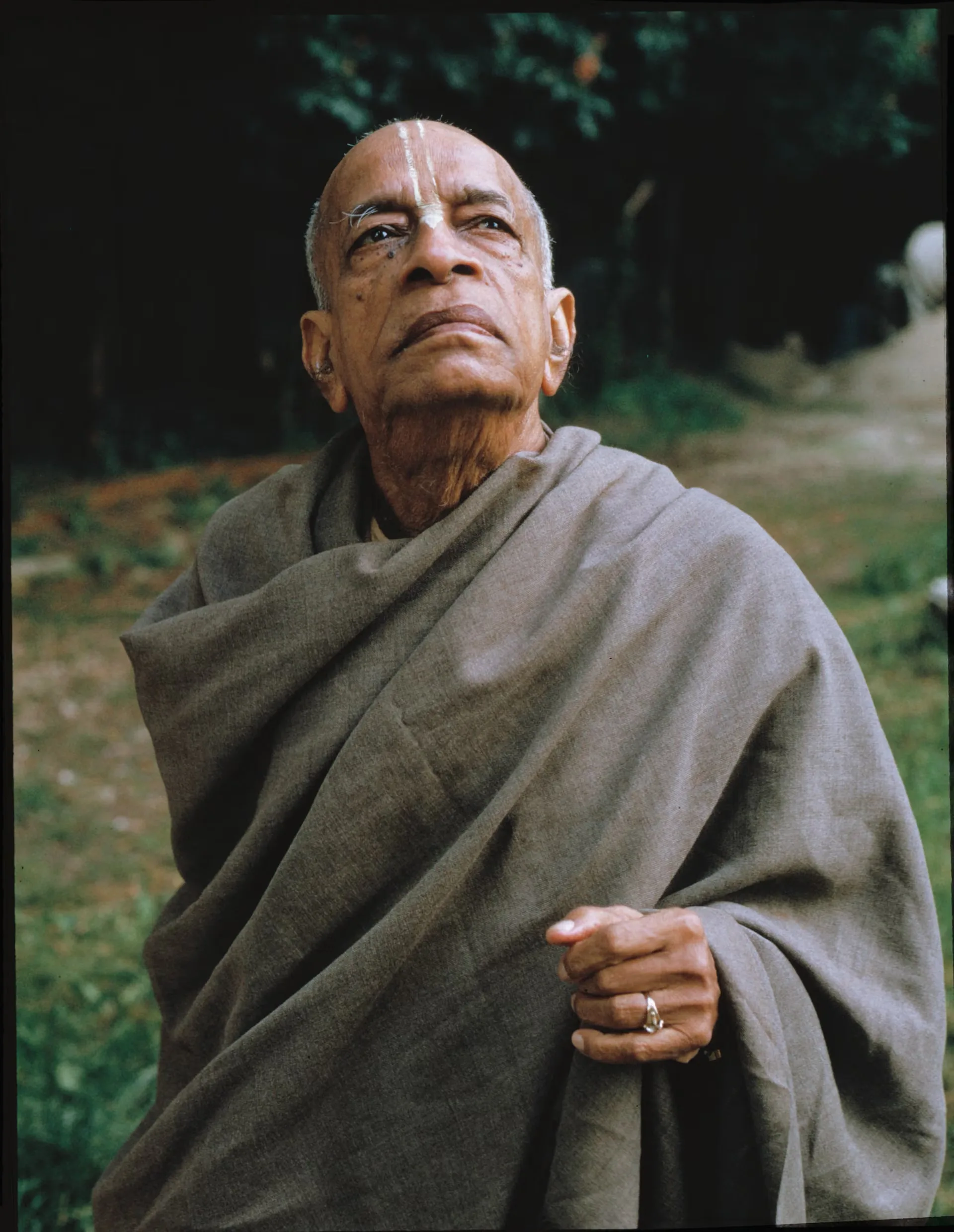
Srila Bhaktisiddhanta Sarasvati Thakura
Founder of the Gaudiya Math and spiritual master of Srila Prabhupada
6 February 1874 – 1 January 1937
Srila Gaura Kishora Dasa Babaji Maharaja
Paramahamsa babaji and spiritual master of Bhaktisiddhanta Sarasvati Thakura
1830s – 17 November 1915 (Utthana Ekadashi)